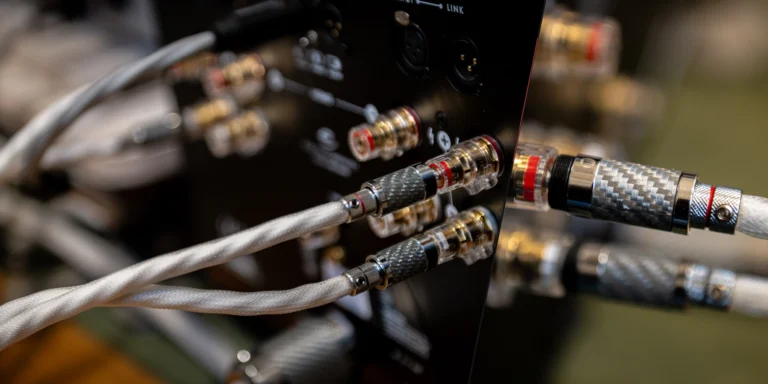

How Can One DAC Serve Two Amplifiers When Only One Is Powered On?
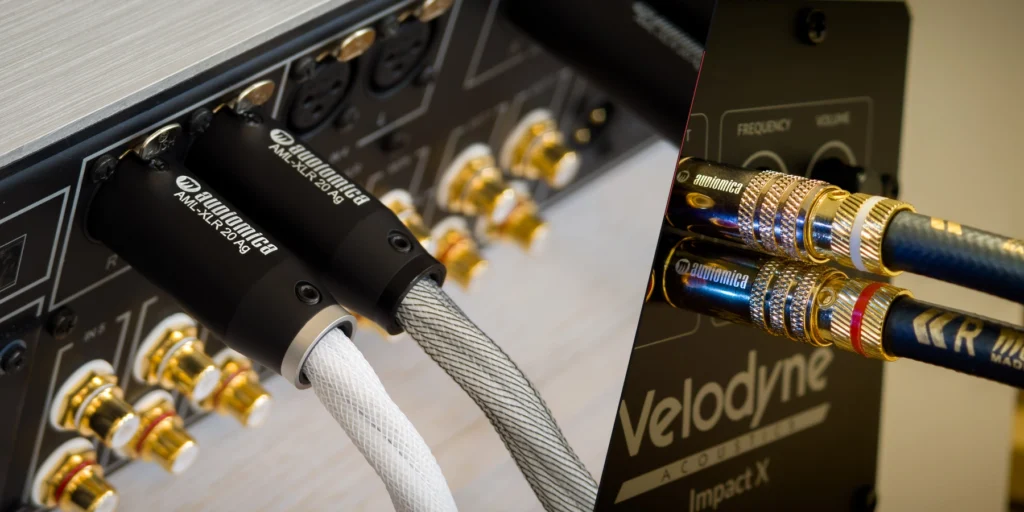
Speakers for the evening, headphones when the room needs to fall quiet: one DAC can serve both without a daily reach behind the rack. Leaving both amplifiers connected is appealing, provided the DAC can drive everything attached to it. That includes the amplifier you have switched off. It may have stopped playing while its input remains attached and can still load the DAC.
We favour a system that makes changing where you listen uneventful. A suitable passive split keeps things simple; separate output drivers can ease the DAC's driving task, and a destination selector can disconnect an unwanted signal branch. Choose according to what stays connected in everyday use, including the amplifiers' power states and volume controls. Understand those once, and both listening systems can stay ready without the unused connection becoming a recurring question.
Why Can an Amplifier Affect the Signal While It Is Off?
An inactive amplifier can still be an electrical load on the DAC. Its interconnect remains plugged in, and the power switch need not disconnect the input. Powered down and disconnected are different conditions: standby, mute and input selection can all change what you hear while leaving the incoming signal path intact.
Some equipment shorts its input when switched off. The Mjolnir 3 output FAQ identifies this behaviour in downstream equipment as a possible cause of distortion during simultaneous output use. We therefore take the off-state input seriously: silence tells you that the amplifier has stopped playing, but does not establish what its input is doing electrically. An input short is one possible behaviour; your amplifier still needs its own answer.
An ordinary input-impedance figure applies under the conditions attached to that specification. Standby and full power-off may fall outside them. Two amplifiers that are comfortable loads while operating can behave differently when one is off. If the headphone amplifier normally waits in standby while the speakers play, standby is the condition that matters. Leaving both amplifiers on would answer a different question.
The manufacturer may be able to confirm the intended connection immediately. We would resolve an uncertain off-state load before making a passive split part of the daily routine. Either establish that the equipment supports it or choose a connection that removes the unused input signal branch. You can then turn an amplifier off because you have finished listening to it.
When Is a Passive Split a Sensible Choice?
A passive split is a sensible way to feed one line output to two amplifier inputs when the DAC can drive their combined load. Both destinations stay connected, with no extra powered electronics or destination control between them. In a compatible system, changing from speakers to headphones can be as simple as operating the appropriate amplifier. We like that directness when the equipment supports it.
The DAC must be able to drive both inputs together, because the split connects them in parallel. In an ideal resistive example, two 20 kΩ inputs present a combined 10 kΩ load to their common output. The DAC sees a lower impedance than either input alone: its load capability must cover the combination. Each amplifier working well on its own does not establish this. The normal 20 kΩ figure cannot stand in for an unknown powered-down input; this calculation illustrates parallel loading, rather than estimating off-state behaviour.
Both cables remain part of the load, too. A short lead to the headphone amplifier and a longer run to the speaker system stay attached to the same output even while one amplifier is off. Keep installed lengths practical and follow any source guidance on cable loading, because the DAC still drives both branches. A passive splitter adds no drive capability, and no single cable-length rule suits every DAC.
Keep left and right separate, with each channel feeding the corresponding inputs on both amplifiers. A Y connection splits one source channel; it must not join two source outputs. Joining left and right to create mono, or joining two DAC outputs to feed one input, can make those outputs drive one another. The arrangement discussed here also belongs at line-level inputs. It does not apply to connecting two power-amplifier speaker outputs to a shared loudspeaker.
We would keep the split when the DAC supports the combined load and both branches remain suitable in their ordinary power states. If the inactive branch changes the active signal, or its off-state load remains unknown, a selector has a specific job: disconnect that branch while you listen. The appeal of a passive split is its simplicity, and that should extend to living with it.
Do Separate DAC Outputs Give Each Amplifier Its Own Driver?
Having separate outputs can make sharing a DAC easier, but two sets of sockets do not establish individual drivers. RCA and XLR identify connector formats, not the circuitry behind them. Check the documentation for simultaneous operation, output topology and supported loads: can you use the outputs together, how are they driven and connected, and what can they drive? A rear-panel photograph cannot answer those questions.
The RME ADI-2 DAC FS gives a concrete example. Its rear RCA and XLR outputs and front headphone outputs have individual driver stages carrying the signal from the same DAC. During simultaneous output use they share digital volume, equalizer and effects settings. You gain separate drive with shared control. Those individual drivers establish that capability for this model; they do not establish galvanic isolation or immunity to every interaction elsewhere in the system.
Levels and adapters also need attention on this RME model. Its balanced XLR line output is 6 dB above RCA at corresponding settings, and its instructions require XLR pin 3 to remain unconnected when adapting that output to an unbalanced input. These are model-specific level and wiring requirements. Follow the source's instructions for an adapter: another DAC may have a different level relationship or adaptation requirement.
For alternate speaker and headphone listening, shared volume may suit you well. Each amplifier may already have a useful control of its own, and you may have no interest in different simultaneous processing. Supported separate drivers can then serve both systems without adding another box. If you do want independent level or processing, establish which component will provide it. Another signal connection alone will not.
When Should You Select the Destination Instead?
A line-level selector makes sense when you want the chosen amplifier connected to the DAC and the other input signal path disconnected. An unsuitable or uncertain inactive load gives it a clear purpose. It also makes alternating between systems explicit: you choose the connection as well as the amplifier, without relying on the power switch to disconnect an input electrically.
Choose the switch by what it actually disconnects. A one-source, two-destination line selector should connect the source to the chosen amplifier and remove the unwanted input signal path. Muting sound farther downstream can leave the input load attached. Common grounds may remain connected even after the signal branch is disconnected, so signal selection provides no assurance of galvanic isolation. Choose a selector for its stated switching function; noise or grounding interactions may need separate attention.
Some passive source selectors can work in reverse. Schiit's SYS instructions, for example, allow one input to be switched between two outputs with its volume control fully up. At that position, listening level needs another suitable control. Use a selector this way only when its particular design explicitly supports it; the SYS example gives no basis for running an arbitrary active preamplifier backwards.
The extra choice brings another set of contacts, another cable segment and a switch to operate when you change destinations. A passive selector also leaves the DAC driving the selected cable and amplifier input; the switch adds no line-driving power. If that connection alone is too demanding, removing the unused branch may still leave you short of the drive capability you need.
For one-system-at-a-time listening, we would readily accept that trade when it frees you from keeping the unused amplifier powered. A clearly indicated speaker or headphone position can make the system easier to enjoy. A selector earns its place when you understand what it switches and it gives you a clear connection and volume routine at either destination.
How Can You Check Whether the Unused Branch Matters?
An unused connection can be checked with a focused comparison once the manuals permit the arrangement. Listen to the familiar active system with the other branch disconnected at the DAC. Then compare it with that branch attached and its amplifier in the off or standby state you normally use. Disconnecting at the DAC removes both the cable and the input. The presence of that branch is the change to make; leave the rest of the setup alone.
Follow the equipment's connection instructions and power down as required before changing plugs. When playback resumes, keep the active amplifier's input, gain, source settings and listening level the same, and play the same musical passage. Allow the pause needed to reconnect correctly: live plug swapping is inappropriate for this comparison, particularly at power-amplifier inputs. Do not bypass muting or protection functions to speed up the transition.
If a repeatable change in level, distortion or noise appears only with the second branch attached, restore the working single connection. That is enough reason to reconsider how the amplifiers connect, although the comparison does not identify an internal cause. An input short is one documented possibility among the interactions the connection could introduce. Consider a supported selector or separate driving stage next, rather than guessing at circuit modifications.
Hearing no change gives you useful information about this arrangement in this condition. It does not measure off-state impedance or predict every later equipment change. Consider the listening comparison together with the specified operating conditions, and stop checking once the intended arrangement is understood and supported. If the problem remains after the second branch is removed, the remaining system needs attention. Repeatedly buying different interconnects will not establish whether the unused amplifier was involved.
Who Should Control Listening Level on Each Path?
The listening level needs a deliberate control on each amplifier connection, even when only one amplifier plays at a time. A fixed DAC output can feed an integrated amplifier or headphone amplifier with its own volume control. A direct power-amplifier connection needs dependable variable control upstream. Before selecting fixed output for convenience, follow both connections through any selector and establish where you control their volume.
When both the speaker amplifier and the headphone amplifier have volume knobs, a supported fixed DAC output can leave each destination in charge of its own level. Connecting the speaker system directly to a power amplifier changes that choice. If you switch the DAC to fixed output for headphones, you also change what the speaker amplifier receives whenever it is connected. The connection that needs upstream volume control governs the shared setup. Use a clear convention instead of relying on remembering which amplifier played last.
The amplifiers may have different sensitivities, and the DAC's outputs may deliver different levels. The same displayed setting can therefore mean quite different listening levels in the two systems. Return to a low level when changing destinations, then adjust the active system deliberately. A comfortable speaker setting is no dependable starting point for headphones, or vice versa, even when one shared control serves both.
If you are weighing the DAC's volume control against a dedicated preamplifier, our guide to deciding whether the DAC or a preamplifier controls the system explores the gain and operating choices. Here, we would keep one requirement in view: each destination needs dependable level control. Moving from speakers to headphones should not quietly change which knob matters.
Which Shared-DAC Arrangement Should You Keep?
The shared DAC arrangement worth keeping supports the actual loads and power states while making the listening destination easy to choose. We would first look at what the DAC already offers. Suitable separate drivers, documented simultaneous connection and appropriate level control at each destination may supply everything the two systems need, sparing another component and its place in the rack.
When one output must serve both amplifiers, compatible loads and practical cable runs can make a passive split an appealingly direct answer. Both systems remain immediately available. A supported destination selector becomes attractive when alternate listening requires you to remove the unused signal branch. Let the way you want to use the amplifiers decide whether to keep both connections present or deliberately select one.
Distribution electronics become relevant when you need separately driven branches that the DAC cannot supply, particularly if both must operate together or the cable and input loads demand more. Look for separately specified output drivers and their load limits. A powered box with parallel sockets does not establish separate drive merely because it has a power supply. The additional component should meet a defined need for drive capability, with its own power, level and operating requirements understood.
Then choose and arrange the interconnects around the actual endpoints, specified wiring and installed lengths. Clear specifications and careful construction matter to a system that is straightforward to install and live with. If an amplifier input is unsuitable for a passive split, the connection arrangement must remove it; a cable cannot perform that switching function. We see everything left attached as part of the analogue connection. Account for it once, make destination and volume changes familiar, and both amplifiers can remain useful parts of the same listening system.