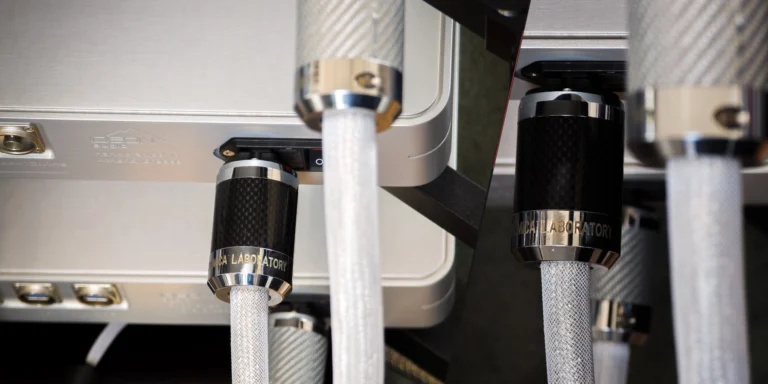

What Should You Verify Before Buying a Modified High-End Audio Cable?
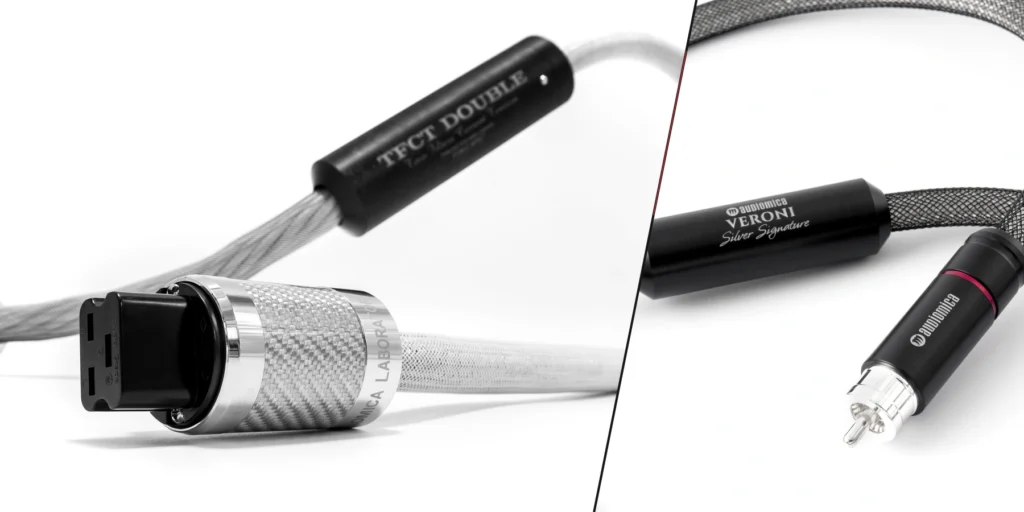
A modified used audio cable can be an inviting purchase: the construction you have wanted to explore, now fitted with fresh plugs or terminations that suit your system. We would give it a fair hearing. The cable you are buying is the one that exists today, including everything done between its original manufacture and the seller's photographs. Its present condition deserves at least as much attention as the name on the box.
Original packaging can accompany an unsuitable assembly; a visibly changed cable can have plenty to recommend it. Judge its identity, workmanship, compatibility and future servicing separately. Together, they tell you whether to buy the cable as offered, make the purchase conditional on particular work, or look elsewhere. A good modification can preserve the value of a fine cable, provided you understand what you will be taking home.
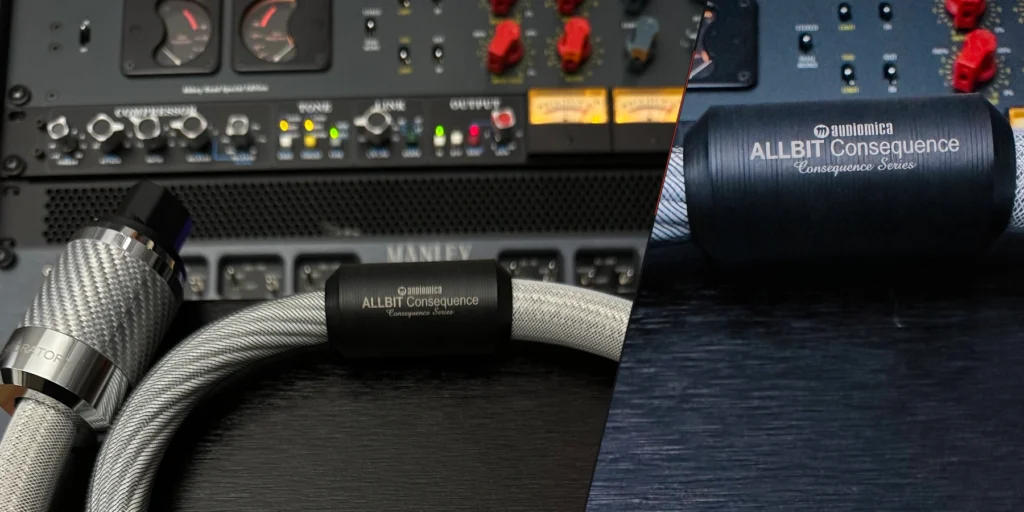
What Exactly Is the Seller Offering After the Modification?
With a modified cable, we want to know what changed and what remains before giving weight to its original reputation. “Reterminated” covers rather different jobs. Someone may have replaced a damaged plug with the same type, fitted another connector format at both ends, shortened a pair or changed a speaker cable's termination arrangement. Each leaves a different assembly to consider.
The description should give the advertised model, the present length of each channel and the connectors fitted at each end. Then ask who did the work, why, and whether it affected only the terminations or also a damaged section of cable. You need an account of the material changes. There is no need for an exhaustive biography of every owner. “Upgraded connectors” tells you what the seller thinks of the result, but leaves the work itself unexplained.
A pair given new plugs to suit different equipment and a pair shortened to remove a damaged end may both be attractive purchases. For the shortened pair, you need a clear account of the damage and the length left afterwards. If one long pair became two shorter pairs, the seller should be able to identify which pair is being offered and whether its records refer to it. The original specification gives you a starting point; the present specification tells you what you can use.
Get that description before negotiating over the prestige of the old model. A clear explanation connected to a credible service record gives you something to judge. When an important change remains unexplained, seek an assessment or another listing. A lower price can make a known compromise worthwhile, but it cannot answer a missing question about the assembly. It changes only the amount at stake.
How Much Can Paperwork and Photographs Tell You?
Good cable provenance connects the cable's identity with its history after manufacture. An original invoice can help establish where it began. A later service document can explain why its length or plugs differ from the original specification. Read each for the information it actually contains, and the history becomes much easier to follow.
Cardas illustrates why the newest document may matter more than the oldest. Its numbered warranty cards do not guarantee authenticity on the second-hand market. Cardas also says photographs can expose some counterfeits without proving a cable genuine. After retermination, it issues a replacement card that supersedes the original. A newer service record may explain an apparent inconsistency better than an untouched box and its original paperwork.
Compare the documents with the cable being offered. Does the service record refer to this pair, this length and this work? Where a material uncertainty remains, a named service provider may be able to clarify it through its normal enquiry process. Photographs help you inspect appearance: four attractive plugs are visible, while the joints inside remain out of view. What matters is a history that accounts for the cable in front of you, supported by relevant documents and pictures.
A lost box need not deter you from an otherwise identifiable, documented cable. An invoice describing a configuration unlike the one for sale needs an explanation. Missing incidental paperwork and contradictory paperwork deserve different responses. If the cable's identity remains materially uncertain, agree an appropriate assessment before buying or pass. Repeated reassurance adds no information, whether it comes from the listing, the seller or our own enthusiasm for a model we have wanted to own.
Do the New Plugs Form a Sound Mechanical Assembly?
The replacement connectors need to suit both the cable and the equipment sockets. A recognised name on the plug identifies the component selected. The cable still has to fit its entry, its conductors have to be terminated properly, and its strain relief—the part intended to hold the cable—has to be assembled correctly. Those details are part of the quality you are buying.
Even a well-regarded plug has physical limits. Take the standard Neutrik NC3MXX: it specifies a cable outside-diameter range of 3.5–8.0 mm, a maximum wire size of 2.5 mm² and chuck-style strain relief. These figures apply to that connector with its standard parts. When considering a used cable, look for a plug that accommodates and holds the cable as intended. An unsuitable entry or an assembly that fails to hold the cable remains a problem, however familiar the connector's name.
Look over the accessible parts of both channels, paying attention to the plugs, cable entries and jacket near the work. Deformation, looseness, a damaged entry or unexplained differences between the channels warrant attention. Judge wear by what it affects: ordinary marks on a housing deserve a different response from a visibly bent connector or an entry that appears insecure. A close-up photograph can make a cosmetic mark look dramatic without making it consequential.
Keep this to an external inspection: leave the connectors closed and do not apply a pull test. Signs of an internal or mechanical problem call for professional assessment as part of the purchase. For surface care, see our guide to inspecting and maintaining accessible audio contacts. Cleaning cannot repair a questionable termination or tell you how the joint inside a plug was made. Have that work assessed before taking the cable on.
Good replacement work deserves credit. It can give a fine cable connectors suited to its present role and a clear basis for continued use. We would judge originality and workmanship separately: once the assembly is appropriate and intact, cosmetic signs of age need not stand between you and an audition.
Will the Changed Wiring and Length Suit Your System?
The finished cable length and electrical interface must suit the connection you intend to make. The cable needs to reach the sockets, but matching plug shapes alone cannot tell you whether it is wired appropriately. An RCA-to-XLR conversion, for example, needs a conductor and shield arrangement suited to the actual output and receiving input.
Fitting XLR connectors in place of RCA plugs does not turn unbalanced electronics into a balanced system. A mixed-format interconnect can, however, be an intentional assembly for a particular equipment combination. Ask whether the present wiring suits your equipment's output and input; the apparent prestige of one plug format adds nothing to that answer. If the seller cannot explain the conversion, have someone qualified assess the equipment requirements and the wiring. A conversion made for one system may be wrong for another, even when the plugs physically connect.
With a speaker cable, establish the present termination arrangement at both ends, including any change between single-wire and bi-wire forms. You should be able to understand what reaches each terminal and which connections the assembly is intended to provide. How the conductors now connect to the terminals matters more than the familiar model name here. Music having passed through the cable in another installation is insufficient reason to accept unexplained wiring in yours.
Measure the run you need, leaving the cable free of tension and the connectors able to sit naturally. A plug-tip-to-plug-tip measurement may say little about how comfortably a cable reaches behind a rack or around a loudspeaker. When the available length is close, ask how it was measured and consider the actual usable arrangement. Authenticity cannot make a short cable reach comfortably. You can avoid this disappointment while the listing is still only a possibility.
Check your amplifier's instructions before accepting a shortened speaker cable: some amplifiers impose a length requirement. Naim's historical amplifier reference manual, English issue 5, specifies at least 3.5 metres per speaker cable in its general guidance for the amplifiers it covers. That figure belongs to the equipment covered by that manual, so consult the instructions for your exact model. Shortening must leave the cable suitable for its intended system. A tidy pair is of little use to you if the resulting length rules it out for your amplifier.
Can the Cable Be Serviced Again on Terms You Understand?
Further retermination options depend on the actual cable and the provider's policy, so ask before buying an example that needs more work. An earlier modification tells you little about whether another conversion will be accepted. It also tells you little about how much usable length will remain or which finished configuration the provider can support. Ask about each before committing.
Manufacturers differ substantially in the work they offer. Cardas publicly offers several retermination operations, including cutting a long pair into shorter pairs. Nordost directs owners seeking shorter cables towards discussing a trade-in with an authorised dealer. Eligibility for factory retermination is also assessed through that dealer channel. Service possibilities belong to the particular manufacturer and cable. If a seller suggests that “the factory can shorten it”, get a specific answer for the assembly being sold.
Include the cable's modification history in the enquiry. Advice about an untouched example of the model may not apply to a cable previously worked on elsewhere. Ask whether the provider will accept the current cable and what the proposed work will leave you with. Where acceptance depends on inspection, agree purchase terms that account for that inspection. You can then judge the remaining uncertainty before the cable changes hands.
Ask separately about warranty. Nordost distinguishes private second-hand purchases, which do not retain the original warranty, from its certified pre-owned dealer programme with a one-year warranty. Cardas says factory retermination preserves its warranty while outside servicing voids it. These are those manufacturers' terms, rather than a general rule for used cables. Paid service and warranty coverage are separate matters; ask about both for this assembly and this transaction.
A clear answer about servicing can help preserve value after modification by giving you a basis for considering a later repair or change. There is a meaningful difference between a cable someone can undertake to service and one whose next necessary job nobody has agreed to do. Before buying, you can judge what it would take to keep that cable in use.
When Is the Modified Cable Worth Buying?
The purchase value becomes clearer when you consider the cost and suitability of the finished cable together. If it needs work, establish acceptance, the proposed connectors, the resulting usable length and a quote before comparing it with another listing. Allow for arranging the service and waiting for it, too. A cable you cannot yet use asks more of you than its asking price alone suggests.
Consider a documented pair whose worn plugs were replaced by an identified provider. Its present configuration suits your equipment, it reaches comfortably, its condition is sound, and the seller offers acceptable inspection or audition terms. We would be comfortable considering that pair as it stands. Changed ends need not count against it simply because another example is untouched. You can turn your attention to the attraction that brought you to the listing: whether you want this construction in your system, and whether the whole purchase justifies its price.
An identifiable cable with unsuitable loudspeaker terminations presents a different choice. Suppose a service provider has reviewed its history, accepted the required work and quoted for a resulting length that fits. A purchase conditional on that service can make sense: you are accepting a defined cost and delay to obtain the configuration you want. If service acceptance or the remaining length is still unknown, resolve those questions before counting on the cable as a usable purchase.
Then there is the listing with impressive packaging but unexplained wiring, a length at odds with your amplifier's requirements, or necessary work that no suitable provider will confirm. If those issues remain unresolved, we would pass. An unmodified example or another appropriately specified cable offers a clearer comparison. You are declining one problematic purchase, while leaving room to appreciate professionally modified cables whose history and construction you can understand.
Once you understand the cable's identity and assembly, a correctly installed trial lets you judge handling, practical compatibility and your listening preference in the intended system. Audition is where the musical choice belongs. Records and assessment answer the different questions of provenance and construction: passing audio cannot authenticate a cable, and neither original nor replacement plugs guarantee a particular sonic result. Give listening its proper job, and it becomes a much more useful part of the decision.
The appeal remains the chance to enjoy a deliberate cable construction in a system that suits it. Careful modification can serve that ambition well. Buy when you understand the work, the present assembly is appropriate and the commitment is worthwhile; agree the necessary service first when its outcome has been established. Above all, give the cable as it now exists the attention once given to its original name. That is how we would judge a second-hand purchase fairly—and leave space for a fine cable to be enjoyed again.