The Noir Et Blanc Hifi Show 2023

The Unseen Bridge to Sonic Nirvana

How luxury audio cables unlock the hidden potential of a high-end system.

Luxury audio cables are not merely accessories you purchase as an afterthought; they are the essential component that dictates whether your carefully curated system merely performs or truly sings, revealing the emotional depth hidden within your music collection.

Imagine owning a thoroughbred racehorse but forcing it to run on a muddy, cobblestone path—that is the precise effect of using standard, generic wiring in a high-fidelity setup.

The journey to sonic nirvana does not end with the speakers and amplifiers; it begins with the unseen bridges that connect them, liberating the delicate audio signal from the constraints of physics and allowing it to flow with unimpeded purity.

What you’ll learn

  1. Luxury audio cables are the critical final link in achieving true high-fidelity sound.

  2. They mitigate electrical phenomena like the skin effect and dielectric absorption that degrade signal purity.

  3. Premium materials like monocrystal silver and highly engineered geometries are essential for noise rejection.

  4. The investment in high-end cabling is a commitment to experiencing music as it was intended to be heard.

Why Do Luxury Audio Cables Matter More Than You Think?

Because an audio signal is fragile—and in high-resolution systems, small losses become audible.

Why do luxury audio cables matter when a simple wire can complete a circuit? The answer lies in the realization that an audio signal is a fragile, complex waveform, not merely a stream of electricity to be shunted from point A to point B with brute force.
Every audiophile reaches a moment of epiphany where the components are of the highest caliber, yet a subtle veil remains over the music, obscuring the micro-dynamics—the faint intake of breath before a vocal line, the decay of a cymbal in a physical space—that transform a recording into a performance.

At every stage, the signal is under siege from EMI/RFI and from the cable’s own electrical behavior. A standard cable can act like an antenna for noise and a bottleneck for current, smearing timing and collapsing the soundstage. Luxury cables aim to preserve waveform integrity so what enters one end emerges with minimal loss or alteration.

Myth and Fact

“If the circuit works, the cable can’t matter.”
“A cable can’t affect timing—only volume.”
“Shielding is just marketing.”

“If the circuit works, the cable can’t matter.”

In a high-resolution system the signal is fragile. Noise pickup and time-smearing can reduce microdetail and flatten the soundstage.

“A cable can’t affect timing—only volume.”

Real cables have resistance, capacitance, and inductance, and the dielectric can blur transients by releasing energy slightly out of phase.

“Shielding is just marketing.”

Homes are saturated with EMI/RFI. Good shielding and geometry can lower the noise floor and stabilize imaging.

Critical Materials: Conductors & Dielectrics

Purity, crystal structure, and insulation behavior define how faithfully a signal arrives.

What are the critical materials that distinguish a luxury audio cable from its utilitarian counterparts? It is not merely a matter of using more expensive metals, but a relentless pursuit of purity and the elimination of crystalline barriers that impede the flow of electrons.

Grain boundaries within the metal’s crystalline structure act as countless tiny speed bumps, causing micro-distortions that accumulate over the length of the cable. Processes like Ohno Continuous Casting (OCC) yield conductors with far fewer boundaries and lower distortion.

The dielectric (insulation) is not electrically inert; it can store a portion of signal energy and release it slightly out of phase, creating time-smearing distortion. Advanced materials like PTFE, polyethylene, and air-based structures reduce this effect.

Myth and Fact

Standard Copper (ETP)
Oxygen-Free Copper (OFC)
Ohno Continuous Casting Copper (OCC)
Pure Silver (Ag)
Ohno Continuous Casting Silver (OCC Ag)

Standard Copper (ETP)

~101% — Mid-range audio cables

Oxygen-Free Copper (OFC)

Real cables have resistance, capacitance, and inductance, and the dielectric can blur transients by releasing energy slightly out of phase.

Ohno Continuous Casting Copper (OCC)

~103% — High-end audio cables

Pure Silver (Ag)

~106% — Premium audiophile interconnects

Ohno Continuous Casting Silver (OCC Ag)

~108% — Ultra-luxury reference cables

Geometry & Shielding: Noise Rejection

In a world full of EMI/RFI, geometry is the cable’s defense system.

How does cable geometry influence noise rejection in audio cables? The world is saturated with invisible electromagnetic noise from Wi-Fi routers, cellular phones, Bluetooth devices, and household wiring. An audio cable—particularly a long interconnect carrying a low-voltage signal—is highly susceptible to picking up this noise.

Luxury cable manufacturers use twisted pairs, braided geometries, and Litz-style constructions to cancel interference and reduce internal magnetic interaction. Active shielding is paramount: foil helps block high-frequency RFI, braided mesh tackles lower-frequency EMI, and some designs use floating-shield architectures to prevent ground loops.The dielectric (insulation) is not electrically inert; it can store a portion of signal energy and release it slightly out of phase, creating time-smearing distortion. Advanced materials like PTFE, polyethylene, and air-based structures reduce this effect.

Myth and Fact

Shielding is optional
Any braid is the same
Long interconnects don’t change anything
Ground loops are always “system only,” not cable

Shielding is optional

Homes are saturated with EMI/RFI; shielding can preserve silence and stability in the image.

Any braid is the same

Strand layout and symmetry affect cancellation, inductance, and susceptibility to interference.

Long interconnects don’t change anything

Low-level signals over longer runs are more vulnerable to noise pickup and capacitance effects.

Ground loops are always “system only,” not cable

Shield termination strategy (including floating shields) can help reduce loop-induced hum.

Skin Effect — How Luxury Cables Fight It

High frequencies ride the surface—premium designs keep timing and treble intact.

The skin effect is a physical phenomenon where alternating current tends to flow along the outer surface of a conductor. As frequency increases, effective cross-sectional area shrinks, increasing resistance for treble and contributing to time delays between frequency components.

Luxury cable designers combat this with Litz wire—many individually insulated thin strands—so each strand is less affected across the audible range. Another approach uses flat, ribbon-like conductors with high surface-area-to-volume ratio. The audible goal is cleaner transients, better air, and more coherent upper harmonics.

Myth and Fact

Skin effect is “audiophile lore.”
Thicker conductors are always better.
Litz is just marketing jargon.
Treble clarity is only about the source.

Skin effect is “audiophile lore.”

It’s a documented AC phenomenon; mitigation can improve consistency across frequencies.

Thicker conductors are always better.

Larger conductors can worsen frequency-dependent distribution; geometry matters as much as gauge.

Litz is just marketing jargon.

Individually insulated strands reduce skin-effect impact within the audio band.

Treble clarity is only about the source.

Frequency-dependent resistance and dielectric behavior can blunt transients even in great systems.

Interconnects vs. Speaker Cables vs. Power Cords

Different cables face different problems—noise, current delivery, and control.

Interconnects carry very low-voltage, low-current signals and are highly susceptible to external noise—so shielding, low capacitance, and connector quality are critical.

Speaker cables must carry high current and voltage to drive loudspeakers; the focus shifts to minimizing resistance and inductance to preserve dynamics and amplifier control.

Power cords address a different frontier: current delivery during transients and the rejection of noise entering the component’s power supply. A well-designed cord can lower the perceived noise floor and reveal more ambient detail.

Myth and Fact

Interconnects and speaker cables are interchangeable challenges
Power cords can’t matter after miles of wiring.
“More shielding” always wins.
One “best cable” works for every system.

Interconnects and speaker cables are interchangeable challenges

Low-level signals need maximum protection; high-current runs need low loss and low inductance.

Power cords can’t matter after miles of wiring.

The last meters feed the power supply and can reject noise at the component level.

“More shielding” always wins.

Shielding must be engineered with geometry and termination, or it can create hum/ground issues.

One “best cable” works for every system.

Electrical interfaces and tonal balance vary—synergy determines the best match.

Synergy & The Final Verdict

The right match removes the veil—without changing your system’s character.

Start by identifying what you feel is missing: bass control, air, smoothness, or soundstage depth. Then audition methodically, changing one variable at a time. Using a consistent series across the system often yields the most coherent results.

When you consider skin effect, dielectric absorption, and EMI/RFI, standard wiring can become a bottleneck in high-resolution audio. But the real verdict lives in listening—when a familiar recording reveals depth and emotion that were previously masked.

Power cords address a different frontier: current delivery during transients and the rejection of noise entering the component’s power supply. A well-designed cord can lower the perceived noise floor and reveal more ambient detail.

FAQ

Do luxury cables “add” sound?
Which cable should I upgrade first?
Is OCC always better than OFC?
Does silver always sound bright?
How do I audition fairly?

Do luxury cables “add” sound?

They aim to reduce noise and loss so your system’s own character comes through more clearly.

Which cable should I upgrade first?

Start with the weakest link: interconnects for low-level noise, speaker cables for control, or power for noise-floor issues.

Is OCC always better than OFC?

Not automatically—conductor, dielectric, geometry, shielding, and termination work as a whole.

Does silver always sound bright?

Not when executed well; purity and design choices can deliver clarity without glare.

How do I audition fairly?

Change one cable type at a time, keep volume consistent, and use repeatable reference tracks.

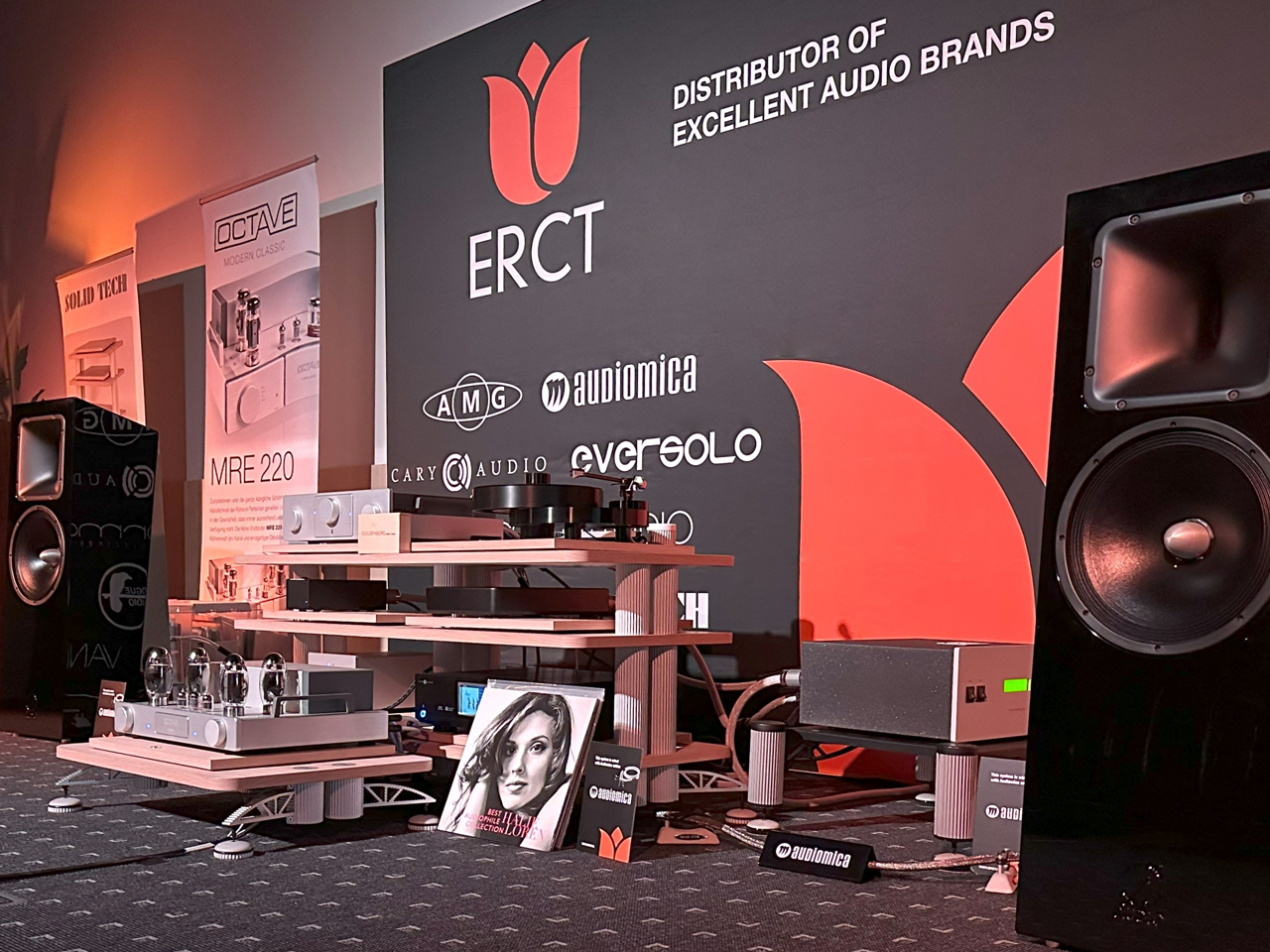
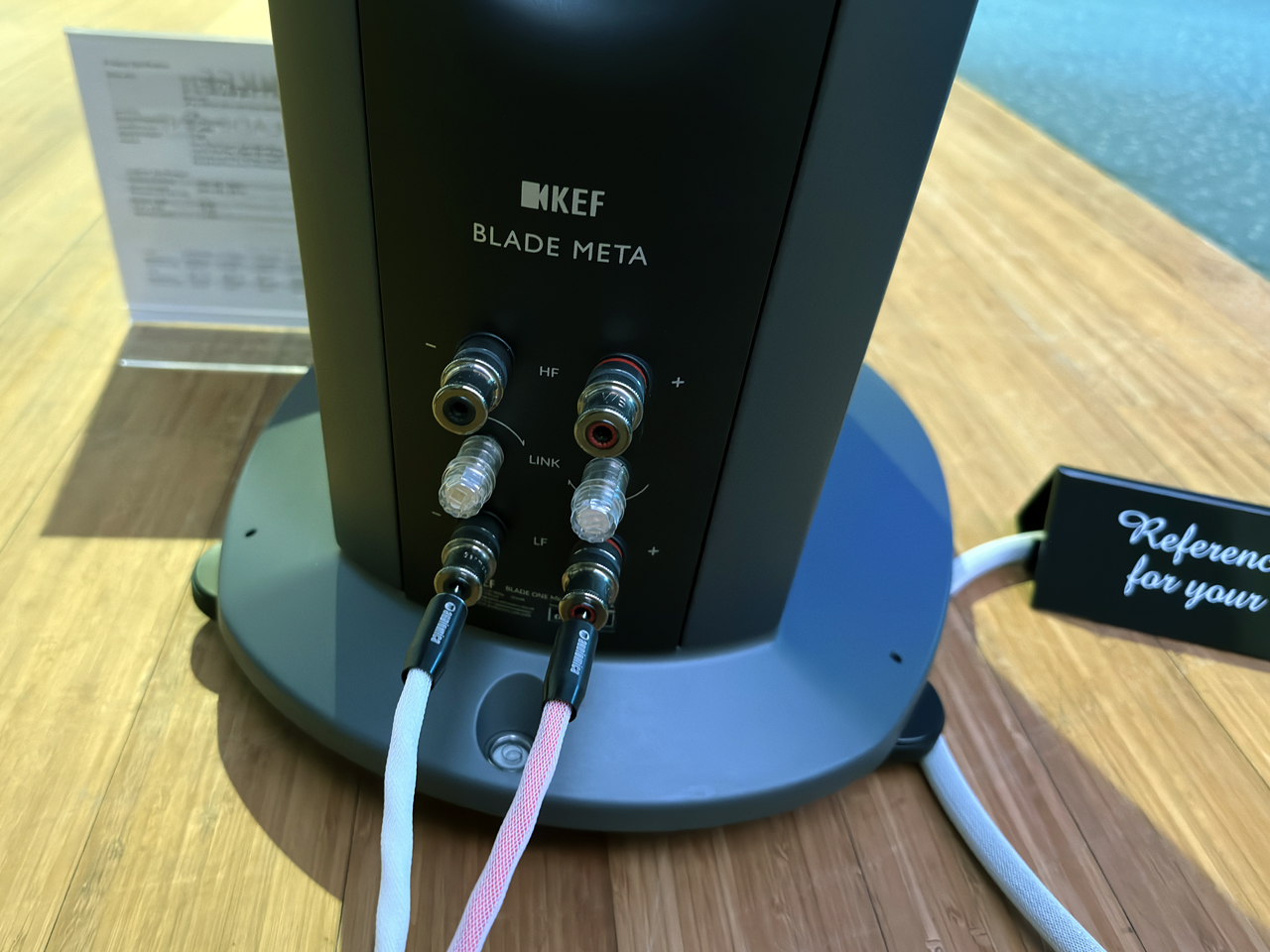
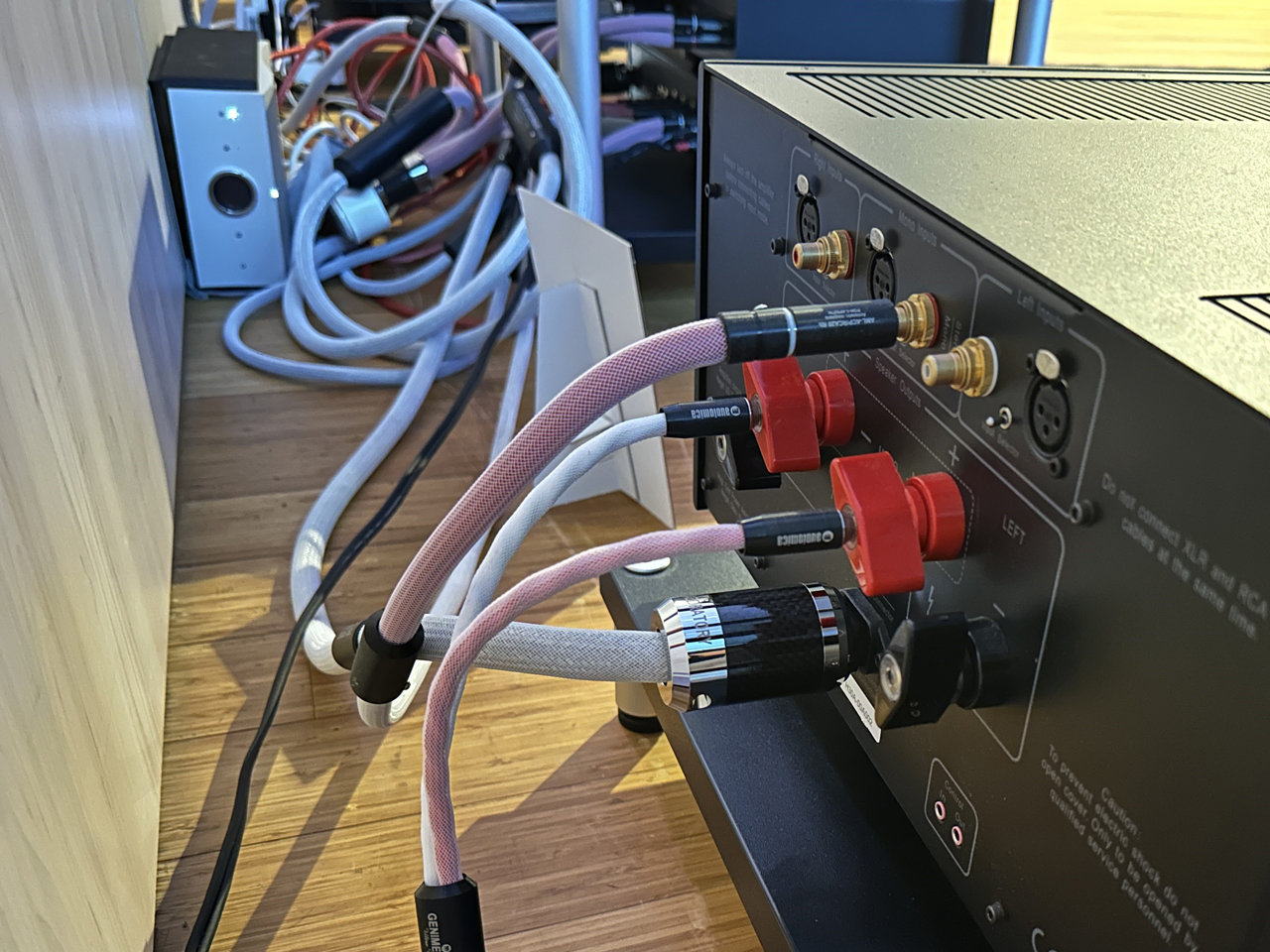
The Noir Et Blanc Hifi Show 2023, held on October 14 and 15 at the Bluepoint Hotel in Brussels, was a notable event we participated in. Following the Dutch Audio Event, this happening provided us with another valuable opportunity to show our products.

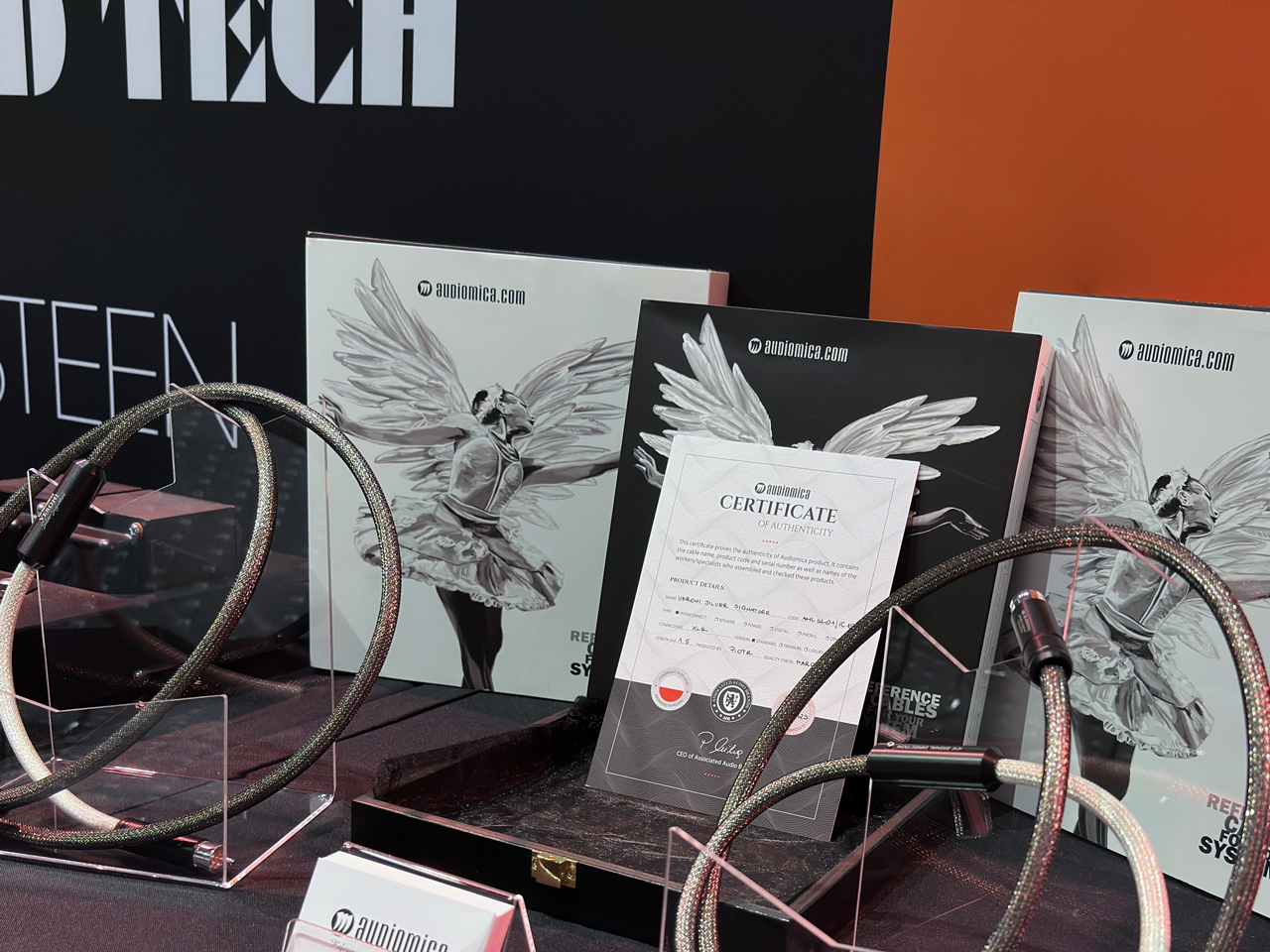
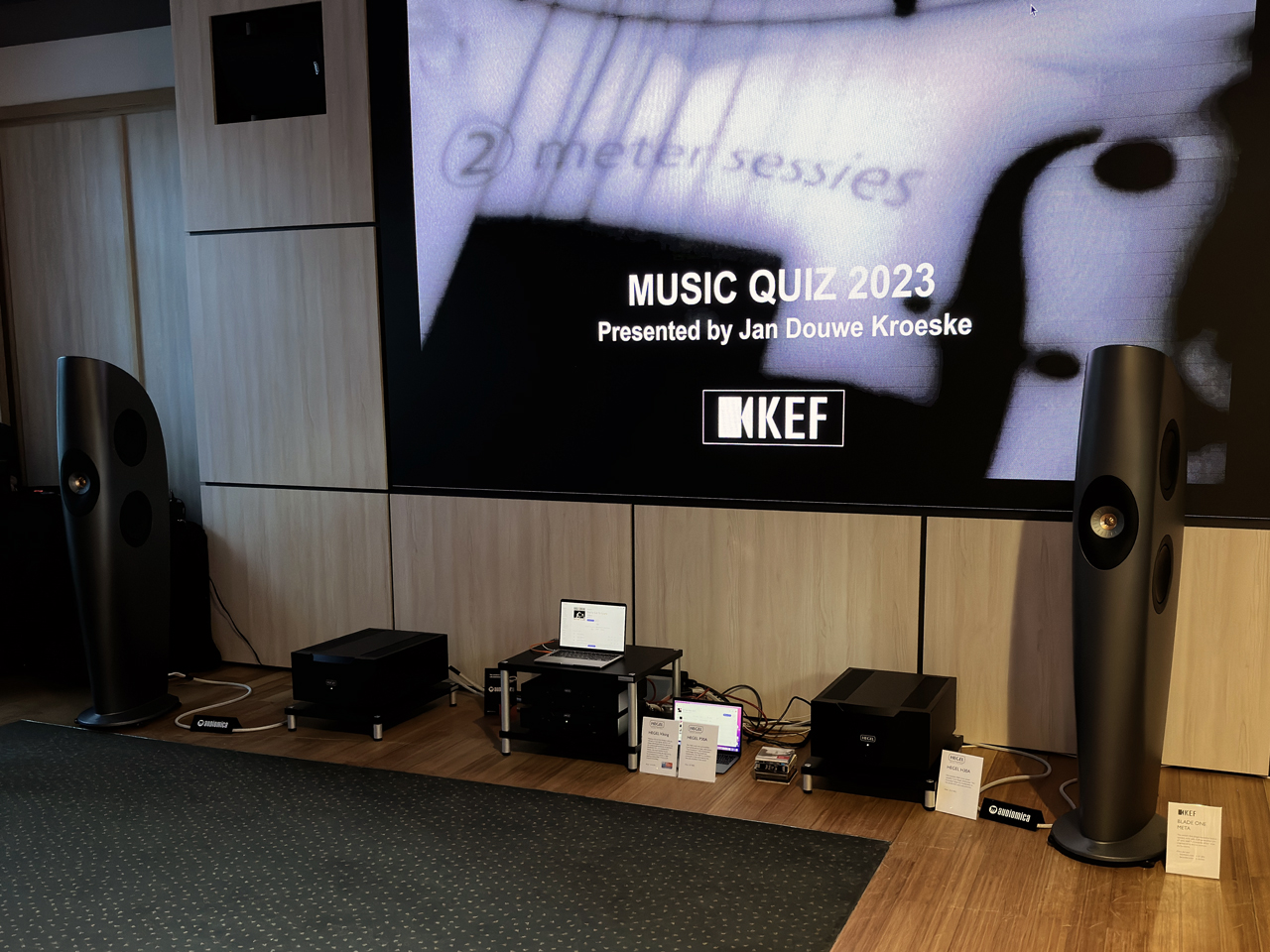
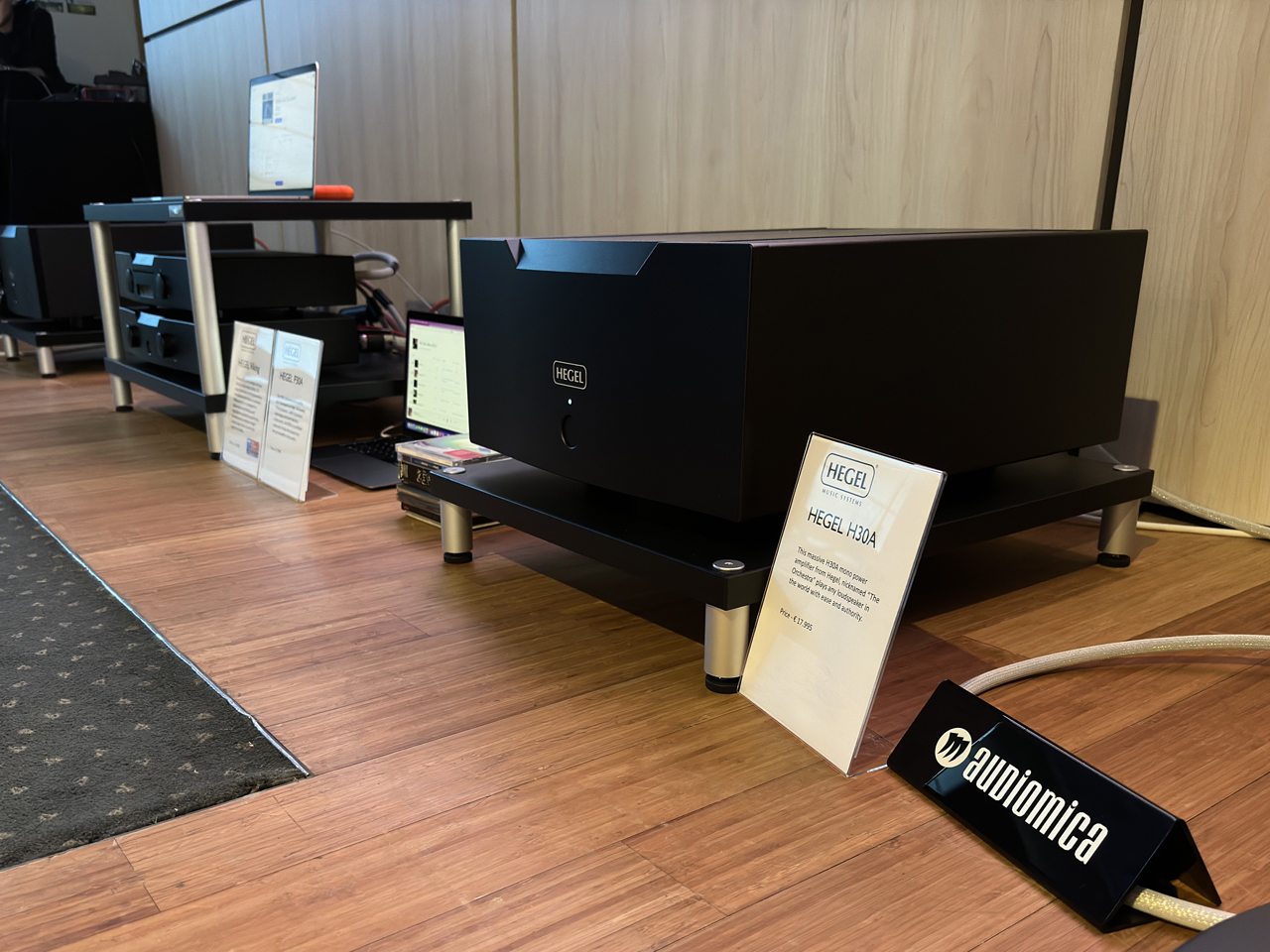
At the event, our products were showcased in two different places. Audiomica cables were part of the impressive system presented by ERCT distributor, alongside Octave Audio, Cary Audio, AMG, Ø Audio, and Solid Tech. Moreover, KEF and Hegel representatives also used our cables during their audio demonstration.

The event featured a presentation where we dived into the various properties and specifics of our cables. We are proud of the great feedback we received and are glad that we had the opportunity to present our products with top-class audio equipment.

We extend our sincere gratitude to our partners for their trust and valuable collaboration. Additionally, we appreciate the presence and contribution of all visitors and interested parties, which greatly contributed to the success of the event.


Przewijanie do góry